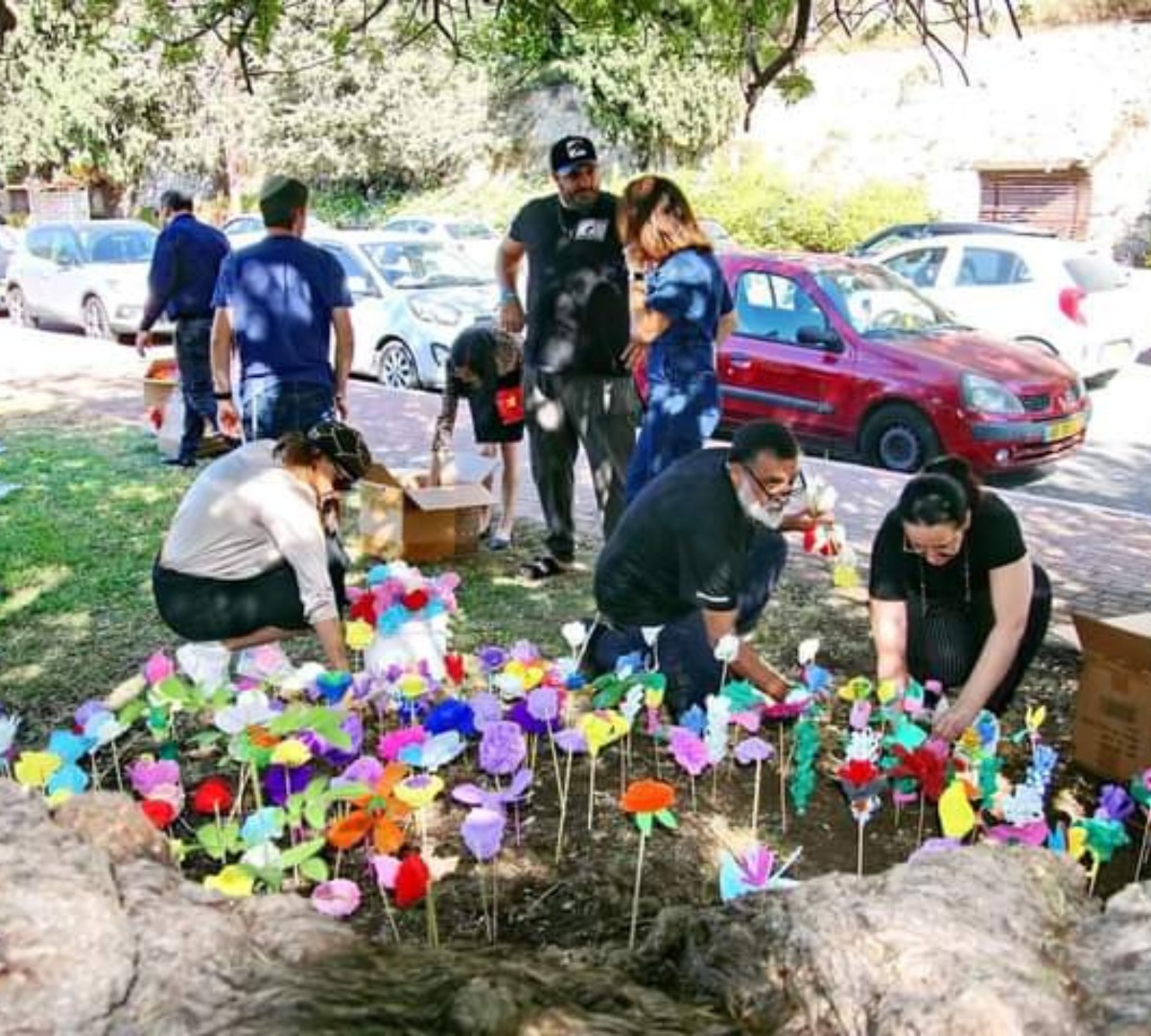
Youth Futures –One Family, a Strong Home Front
During times of crisis, Youth Futures provides a broad support framework for children, families, and staff across the country. The close, ongoing relationships with beneficiaries enable teams to identify emerging needs in real time and deliver tailored, sensitive, and immediate responses. Program teams are skilled and experienced in strengthening personal, family, and community resilience during emergencies and crises.
Coping with the COVID-19 Crisis
During the COVID-19 pandemic, Youth Futures ensured continuity of support and accompaniment for children and their families, adapting its activities to remote work and maintaining ongoing personal and community assistance systems—even during lockdown periods. The designation of Youth Futures Mentors as essential workers further enabled sustained support throughout this challenging time.
The Swords of Iron War
The current war underscored the advantage of Youth Futures’ scale and nationwide presence. Thanks to the organization’s footprint across many local authorities—from Kiryat Shmona to Eilat—continuous accompaniment was provided to families evacuated from their homes through local teams in host communities such as Tiberias, Eilat, Tel Aviv, and Jerusalem. Close engagement with families allowed for weekly mapping of needs, rapid identification of emerging distress, and the provision of real-time, customized support.
The war significantly expanded the circles of risk, as many children and families who had not previously required support now need assistance and rehabilitation. Accordingly, Youth Futures adapted the Mentorship Model to address the unique needs of these populations—evacuees, directly and indirectly affected individuals, and families whose daily routines and stability were disrupted.
Program Mentors maintained continuous accompaniment of children, strengthening trust, belonging, and personal security, and led resilience workshops to support coping with uncertainty and crisis. Throughout the war, close contact was maintained with every child, and through the “Mobile Mentor” initiative, Mentors continued to accompany children and families in evacuated areas—ensuring continuity, presence, and meaning.
Throughout the year, Youth Futures teams focused on establishing and operating local learning centers that provided children with supportive frameworks to improve academic skills and strengthen their sense of competence.
In immediate response to needs identified in the field, Youth Futures distributed grants to affected families to enable the purchase of essential supplies and to maintain economic and emotional stability during crisis periods. Subsequently, and as part of the organization’s family-centered approach, eight new “Family Spaces” (therapeutic clinics within Youth Futures centers) were established. These spaces provide professional therapeutic services for parents and children, strengthening communication, family resilience, and optimal functioning.
In the initial phase, Youth Futures ensured that staff members affected by the crisis received immediate resilience support and therapeutic care, recognizing that a strong team is a prerequisite for providing optimal accompaniment to children and families. The guiding principle was “caring for the caregivers”—offering emotional support, resilience and processing workshops, and dedicated interventions to enable teams to return to the field strengthened and equipped with professional and emotional tools.
In light of the Swords of Iron War, Youth Futures updated its strategic plan and redefined the category of “children at risk” to reflect Israel’s changing reality. In recognition of its work, Youth Futures was designated a national project for the rehabilitation of Israel’s children, at a ceremony held at the President’s Residence in September 2024, attended by key partners and government representatives.
Following the war and recent crises, Youth Futures initiated an in-depth organizational study in March 2025 to assess the emerging needs of children and families in Israel. Based on the findings, targeted responses were developed and refined to strengthen personal, family, and community resilience:
- Refinement of the Social Group
- Expansion of the number of Family Spaces to increase access to quality therapeutic care for parents and children.
- Expansion and professionalization of Learning Centers.